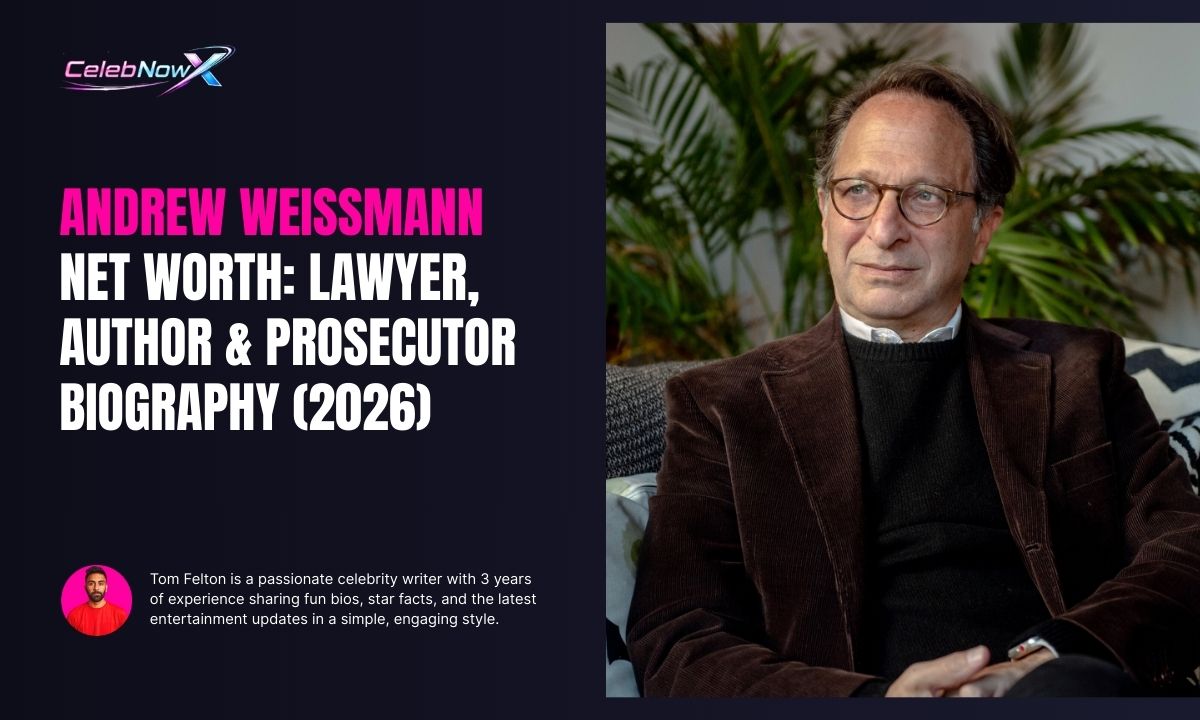
Andrew Weissmann stands as one of America’s most recognized legal minds today. His career spans four decades of groundbreaking prosecutorial work and legal achievements. From organized crime cases to the Mueller investigation, his impact remains undeniable. This comprehensive guide explores his net worth, career milestones, and current activities.
Andrew Weissmann has built an impressive reputation through dedication and strategic brilliance. His journey from New York prosecutor to national legal commentator fascinates many. Financial success followed his commitment to both public service and private practice. Understanding his story reveals the intersection of law, politics, and personal values.
The distinguished attorney continues shaping legal discourse through multiple platforms in 2026. His expertise influences courtrooms, classrooms, and public opinion across the nation today. From MSNBC analysis to NYU lectures, his voice carries significant weight nationwide. This biography examines every aspect of his remarkable professional and personal journey.
Who Is Andrew Weissmann?
Andrew Weissmann is a renowned American attorney known for high-profile federal prosecutions. Born in 1958, he dedicated his life to pursuing justice relentlessly. His work on the Mueller investigation brought him into the national spotlight. Today, he serves as a legal analyst, professor, and bestselling author.
Weissmann’s prosecutorial career includes landmark cases against organized crime and corporate fraud. He led teams that convicted Mafia bosses and Enron executives successfully. His aggressive legal tactics have earned both praise and criticism over the decades. The attorney’s influence extends far beyond traditional courtroom work and legal practice.
As a public figure, Andrew Weissmann remains committed to the rule of law principles. His media presence and academic work continue to educate millions about legal processes. Through books, podcasts, and commentary, he demystifies complex legal issues for audiences. His unique combination of experience and communication skills makes him exceptionally influential today.
Andrew Weissmann Biography: From New York to Legal Prominence
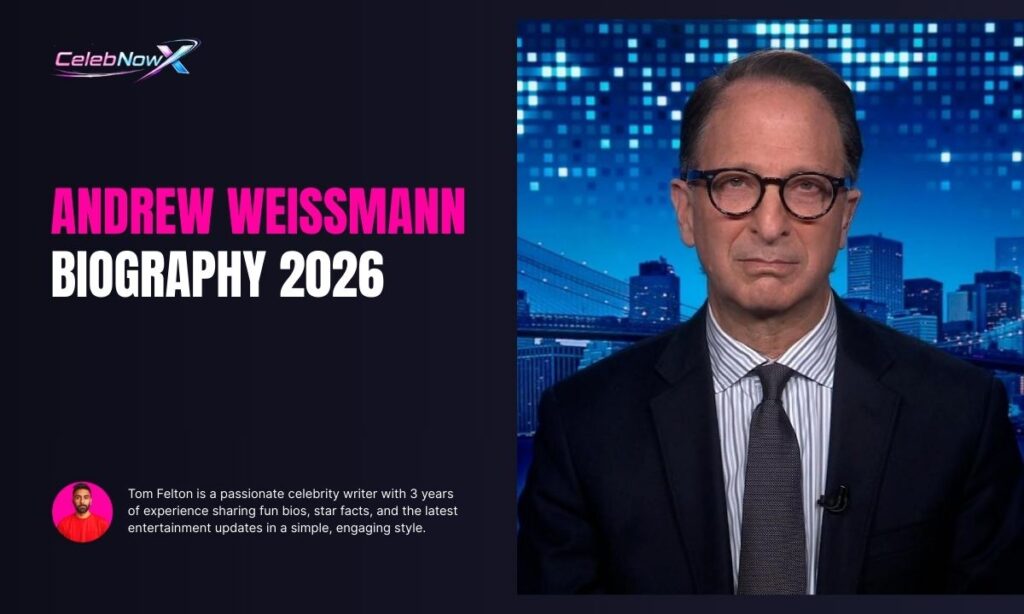
| Biographical Details | Information |
| Full Name | Andrew A. Weissmann |
| Date of Birth | March 17, 1958 |
| Age (2026) | 67 years old |
| Birthplace | New York City, New York, USA |
| Nationality | American |
| Ethnicity | Caucasian |
| Religion | Jewish heritage |
| High School | Ethical Culture Fieldston School, New York |
| Undergraduate Education | Princeton University – Bachelor of Arts (1980) |
| International Study | University of Geneva – Fulbright Scholar |
| Law School | Columbia Law School – Juris Doctor (1984) |
| Law Review Position | Managing Board of Columbia Law Review |
| Judicial Clerkship | Judge Eugene Nickerson, U.S. District Court, Eastern District of New York |
| First Legal Position | Assistant U.S. Attorney, Eastern District of New York (1991) |
| Career Span | 40+ years in the legal profession |
| Notable Early Cases | Organized crime prosecutions, including Genovese, Colombo, and Gambino families |
| Landmark Prosecution | Vincent “The Chin” Gigante’s conviction |
| Enron Role | Director of the FBI Enron Task Force (2002-2005) |
| FBI Position | General Counsel (2011-2013) |
| DOJ Leadership | Chief of Criminal Fraud Section (2015-2017) |
| Mueller Investigation | Senior prosecutor and lead on Manafort case (2017-2019) |
| Private Practice | Partner at Jenner & Block law firm |
| Academic Career | Professor of Practice at NYU School of Law |
| Media Role | MSNBC Legal Analyst and contributor |
| Published Works | “Where Law Ends: Inside the Mueller Investigation” (2020) |
| Podcast | Co-host of “Main Justice” with Mary McCord |
| Professional Honors | Multiple recognitions for legal excellence and public service |
| Current Residence | New York area |
Andrew Weissmann Age
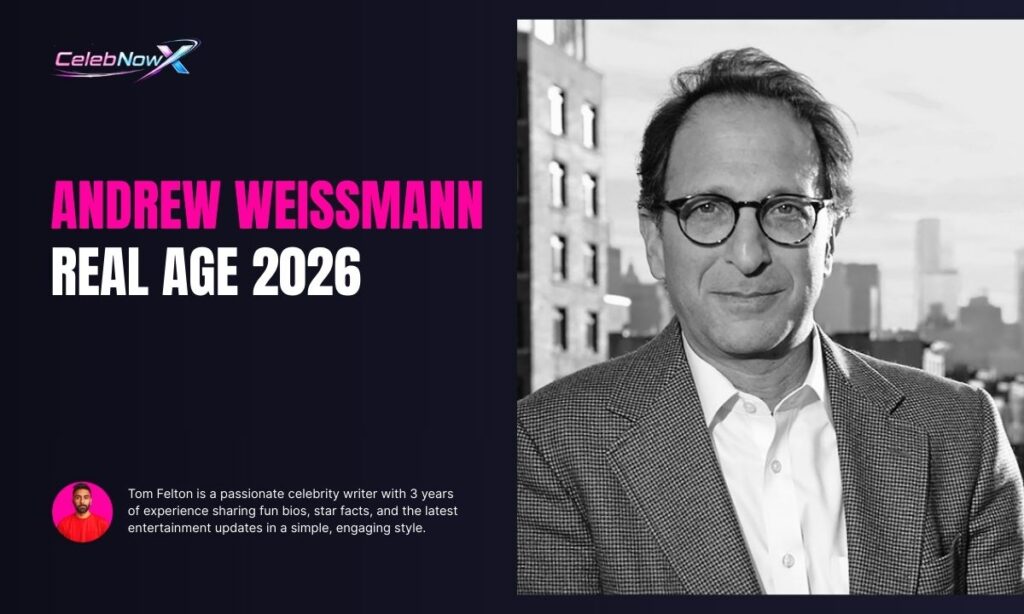
Andrew Weissmann was born on March 17, 1958, in New York City. As of 2026, he is 67 years old. His extensive career reflects decades of dedication to the American legal system. Age has brought wisdom and perspective that enhance his current commentary today.
Throughout his sixties, Weissmann maintained an incredibly active professional schedule and presence. His energy level remains impressive as he balances teaching, media, and writing. Experience accumulated over nearly seven decades informs his unique legal perspectives consistently. The attorney shows no signs of slowing down his influential work anytime soon.
| Age Information | Details |
| Date of Birth | March 17, 1958 |
| Current Age (2026) | 67 years old |
| Zodiac Sign | Pisces |
| Generation | Baby Boomer |
| Age at Career Start | 33 years (1991) |
| Age During Enron | 44-47 years (2002-2005) |
| Age as FBI Counsel | 53-55 years (2011-2013) |
| Age During Mueller | 59-61 years (2017-2019) |
| Age at Book Publication | 62 years (2020) |
| Retirement Status | Actively working, not retired |
Andrew Weissmann Height

Andrew Weissmann stands at approximately 5 feet 8 inches tall today. His height places him at average stature for American men nationwide. Physical presence in courtrooms was always complemented by intellectual commanding authority. Television appearances showcase his professional demeanor more than his physical characteristics, primarily.
Height has never defined Weissmann’s presence in legal or media settings. His reputation and accomplishments tower far above any physical measurements could indicate. Colleagues and opponents remember his sharp legal mind rather than his stature. Professional impact matters infinitely more than any physical attributes in his field.
| Physical Measurements | Details |
| Height | Approximately 5’8″ (173 cm) |
| Build | Average, professional build |
| Appearance | Distinguished, professional demeanor |
| Notable Features | Gray hair, glasses |
| Professional Dress | Typically formal business attire |
| Public Presence | Confident courtroom and television presence |
Andrew Weissmann Physical Appearance
Andrew Weissmann presents a distinguished and professional appearance in all settings. His gray hair and glasses contribute to an authoritative legal expert image. Physical appearance reflects years of serious legal work and intellectual pursuits clearly. He maintains a polished look appropriate for courtrooms and television appearances alike.
Weissmann’s demeanor conveys seriousness and competence rather than casual approachability. His facial expressions during media appearances often show thoughtful analysis and concern. Professional attire remains his standard whether teaching classes or appearing on television. Overall appearance communicates credibility and expertise essential for his current roles today.
| Physical Characteristics | Description |
| Hair Color | Gray/White |
| Eye Color | Brown |
| Facial Hair | Clean-shaven |
| Eyewear | Prescription glasses |
| Complexion | Fair |
| Build Type | Average/Medium frame |
| Posture | Upright, professional |
| Clothing Style | Business formal, suits and ties |
| Grooming | Well-maintained, professional |
| Distinguishing Features | Intellectual, serious expression |
| Overall Impression | Distinguished legal professional |
Andrew Weissmann Early Life
Andrew Weissmann grew up in New York City during the 1960s. His childhood environment emphasized education, ethics, and social responsibility from the start. The Ethical Culture Fieldston School shaped his early values and intellectual development. Family background instilled strong principles that guided his entire legal career.
Education remained central to Weissmann’s upbringing and personal development throughout youth. His parents encouraged academic excellence and moral clarity in all pursuits. Early exposure to diverse ideas prepared him for complex legal challenges ahead. These formative years established the foundation for his remarkable career trajectory.
New York’s dynamic environment influenced his worldview and professional aspirations significantly. Growing up during socially turbulent times shaped his commitment to justice. Early experiences with ethical education translated directly into prosecutorial philosophy later. The values learned in childhood remained constant throughout his distinguished career.
Andrew Weissmann Family: Private Life of a Public Figure

Andrew Weissmann maintains a deliberately private family life despite public prominence. His marriage and family relationships remain largely shielded from media attention. This discretion reflects a desire to separate professional obligations from personal matters. Family provides crucial support during controversial and high-pressure career moments.
The Weissmann family exemplifies balancing demanding careers with strong personal relationships. Both Andrew and his wife achieved professional success while maintaining family stability. Privacy protection allows their family to function normally despite public scrutiny. This approach demonstrates commitment to personal boundaries in an increasingly public world.
Weissmann rarely discusses family matters in interviews or public appearances intentionally. His focus remains on legal issues rather than personal life details. This separation protects loved ones from unwanted attention and political controversies. Family support enabled him to pursue difficult cases without compromising personal relationships.
Andrew Weissmann Wife
Andrew Weissmann is married to Debra Weissmann, an accomplished attorney herself. Debra serves as the Reef C. Ivey II Distinguished Professor of Law. She teaches at the University of North Carolina School of Law today. Their marriage represents a partnership of two brilliant legal minds.
Debra graduated Phi Beta Kappa from Syracuse University in 1972. She earned her Juris Doctor from Syracuse University Law School in 1975. Her legal career spans civil rights, immigration, labor, and family law. The ACLU recognized her exceptional civil rights work with prestigious awards.
The couple shares common values around justice, education, and public service. Their relationship demonstrates mutual respect for professional accomplishments. Both maintain demanding careers while supporting each other’s endeavors consistently. This partnership has endured through decades of professional challenges and successes.
Andrew Weissmann Son

Andrew and Debra Weissmann have one son named Benjamin Weissmann. Benjamin followed his parents’ footsteps by attending Harvard Law School. He now practices law, continuing the family’s legal legacy successfully. The family takes pride in his accomplishments and professional development.
Benjamin’s upbringing included exposure to legal excellence and ethical standards. Growing up with two attorney parents provided unique insights into legal careers. His decision to pursue law reflects family values and professional traditions. The Weissmann legal legacy now extends across multiple generations successfully.
Privacy protects Benjamin from excessive public attention despite his father’s prominence. Andrew rarely discusses his son in media appearances or interviews. This discretion allows Benjamin to build his own professional identity independently. Family bonds remain strong while respecting individual professional paths and choices.
Andrew Weissmann Daughter
Andrew Weissmann does not have a daughter, according to available public records. His only child is his son Benjamin, a practicing attorney today. Family composition includes Andrew, Debra, and Benjamin as the core unit. No information exists regarding additional children in the Weissmann family.
Andrew Weissmann Marriage to Debra Weissmann
Andrew and Debra Weissmann’s marriage spans several decades of partnership. Their relationship combines personal commitment with shared professional values and interests. Both achieved distinguished legal careers while maintaining a strong marital foundation. This partnership exemplifies a balance between demanding work and personal life.
The couple met during their legal careers and bonded over shared values. Their marriage survived intense professional pressures and public scrutiny successfully. Mutual respect at work creates a supportive home environment. Both understand the demands of legal careers and provide essential support.
Privacy characterizes their approach to marriage despite Andrew’s public visibility. They rarely appear together at public events or discuss relationship details. This discretion protects their personal life from unnecessary media intrusion. Their enduring marriage demonstrates commitment to both profession and family equally.
Andrew Weissmann Career
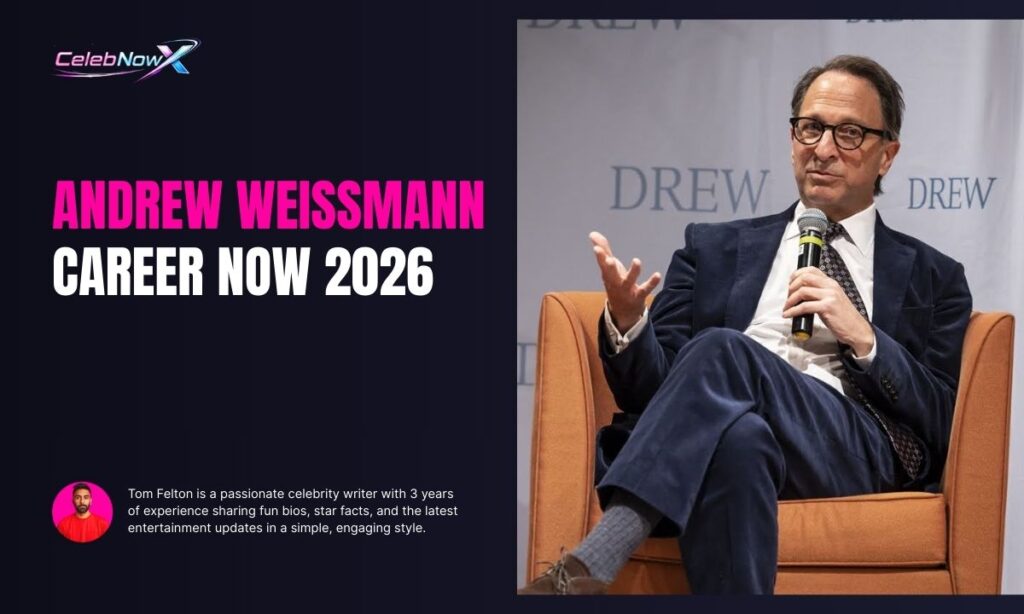
Andrew Weissmann’s legal career began in 1991 as an Assistant U.S. Attorney. He prosecuted organized crime for eleven years with remarkable success rates. His career trajectory includes leadership positions across multiple prestigious legal institutions. Each role was built upon previous experience, creating an impressive professional narrative.
Weissmann transitioned between government service and private practice strategically throughout the decades. Major career milestones include the Enron Task Force and Mueller investigation roles. His work shaped federal prosecution strategies and legal precedents significantly. Today, he influences legal discourse through teaching, writing, and media commentary.
Career Highlights:
- Assistant U.S. Attorney, Eastern District of New York (1991-2002)
- Director of the FBI Enron Task Force (2002-2005)
- Partner at Jenner & Block law firm (2006-2011, 2017-2025)
- FBI General Counsel (2011-2013)
- Chief of DOJ Criminal Fraud Section (2015-2017)
- Senior Prosecutor on Mueller Special Counsel team (2017-2019)
- Professor of Practice at NYU School of Law (2019-present)
- MSNBC Legal Analyst and podcast host (2019-present)
Financial Profile of a Distinguished Legal Career
Andrew Weissmann’s financial profile reflects choices prioritizing public service over maximum earnings. His career balanced government positions with lucrative private practice opportunities strategically. Income diversification through multiple streams characterizes his financial approach in recent years. Understanding his wealth requires examining various compensation sources across different career phases.
Unlike attorneys who spent entire careers in corporate law, Weissmann chose mixed paths. Government service provided stability but limited earnings compared to private alternatives. Recent ventures into media, writing, and academia expanded his income sources significantly. This diversified approach created financial security while maintaining professional independence and integrity.
Income Sources:
- Federal government salaries during prosecutorial service
- Private law firm partnership earnings and billable hours
- Book royalties from a bestselling publication
- MSNBC analyst contracts and television appearances
- Podcast revenue from the “Main Justice” show
- NYU Law School academic compensation
- Public speaking fees at conferences and events
- Legal consulting for various clients and organizations
Andrew Weissmann Lawyer Career: A Legacy of High-Profile Prosecutions
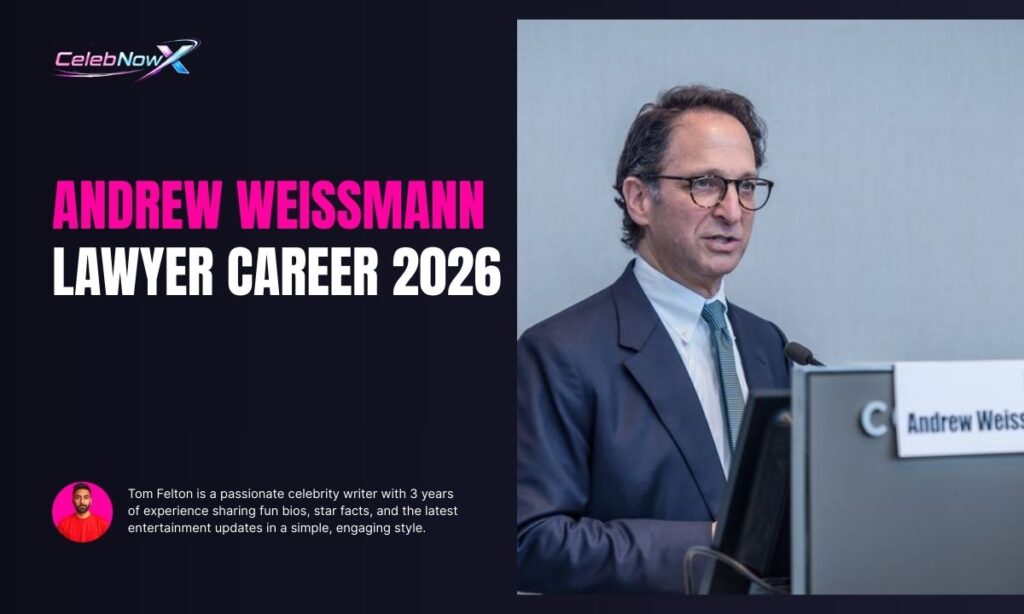
Andrew Weissmann built his reputation prosecuting cases others considered too difficult. His aggressive approach and strategic thinking produced landmark convictions repeatedly. From Mafia bosses to corporate executives, his targets represented powerful interests. This fearless prosecutorial style defined his career and created a lasting legacy.
Early Prosecutorial Work (1991-2002)
Weissmann joined the U.S. Attorney’s Office targeting organized crime in New York. He prosecuted over 25 cases against notorious crime families successfully. The Vincent Gigante conviction showcased his ability to build complex RICO cases. These early years established his reputation as a formidable federal prosecutor.
Enron Task Force Leadership (2002-2005)
President Bush appointed Weissmann to lead the Enron prosecution effort nationally. His task force convicted more than 30 individuals, including top executives. The Arthur Andersen case drew controversy when later overturned by the Supreme Court. Despite this setback, Enron prosecutions remain landmark corporate fraud cases today.
FBI General Counsel (2011-2013)
Weissmann served as the FBI’s top lawyer under Director Robert Mueller’s leadership. This position influenced national security and law enforcement policies significantly. He shaped FBI legal strategies during critical national security challenges. The role prepared him for later collaboration on the Mueller investigation.
Department of Justice Fraud Section Chief (2015-2017)
As Chief of the Criminal Fraud Section, Weissmann oversaw nationwide federal prosecutions. He managed complex cases and coordinated with other federal agencies effectively. This leadership position set prosecutorial priorities for fraud cases nationally. His tenure prepared him for the most visible assignment of his career.
Weissmann established institutional knowledge that benefited multiple federal agencies over decades. His fraud section leadership influenced how the DOJ approaches corporate crime today. Colleagues describe him as demanding but committed to justice and excellence. This role positioned him perfectly for joining the Mueller Special Counsel team.
Andrew Weissmann Mueller Investigation: Architect of the Manafort Case
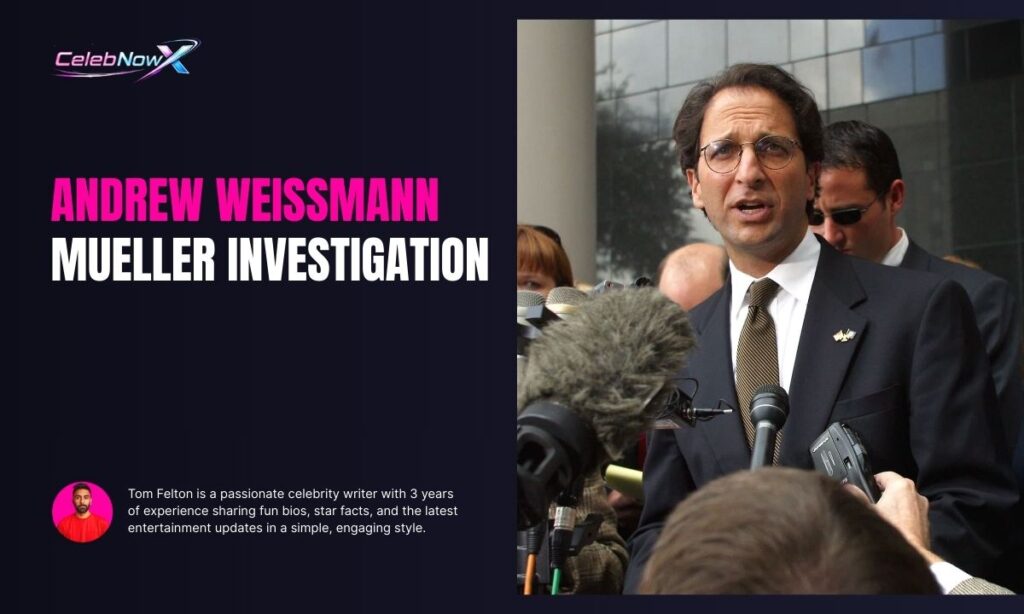
Weissmann joined Robert Mueller’s team investigating Russian election interference in 2017. His expertise proved crucial for building complex financial crime cases successfully. The investigation faced unprecedented political pressure from the Trump administration constantly. Despite challenges, his work produced significant convictions and revealed important facts.
Role as Lead Prosecutor
Andrew Weissmann led the prosecution team investigating Paul Manafort’s activities comprehensively. He built cases resulting in multiple convictions for fraud and conspiracy. Manafort’s connection to Russian intelligence represented critical investigation findings significantly. Weissmann’s prosecutorial skills proved essential despite enormous political obstacles encountered.
The investigation revealed that Manafort provided polling data to Russian intelligence operatives. This discovery represented potential coordination between the Trump campaign and Russian interests. Weissmann’s meticulous approach uncovered financial crimes spanning years of activity. His work demonstrated how financial investigations reveal broader criminal conspiracies effectively.
Inside the Investigation
The Mueller team operated under constant threat of political interference. President Trump threatened to shut down investigations and dangled pardons publicly. Attorney General Barr’s actions complicated the team’s work and final presentation. Internal debates addressed subpoenaing Trump and pursuing financial investigations aggressively.
Weissmann later revealed disagreements about the investigation scope and final recommendations made. The team debated whether to explicitly recommend obstruction of justice charges. Political pressure influenced strategic decisions about the investigation’s scope and duration significantly. These constraints frustrated prosecutors seeking to pursue all relevant leads fully.
Aftermath and Criticism
The investigation concluded without conspiracy charges against President Trump directly. The report documented multiple obstruction instances but stopped short of recommendations. Weissmann expressed frustration with what he viewed as an investigation being conducted publicly. Trump pardoned several convicted individuals, undermining prosecutorial efforts and legal accountability.
Critics questioned whether Mueller’s cautious approach left important questions unanswered completely. Weissmann’s subsequent book addressed these concerns and revealed internal tensions. The investigation’s mixed results generated ongoing debates about the prosecutorial choices made. Political interference demonstrated the challenges prosecutors face in investigating powerful political figures today.
Andrew Weissmann Book: Where Law Ends

Weissmann published his insider account of the Mueller investigation in 2020. “Where Law Ends” became a bestseller immediately upon release nationwide. The book provided unprecedented transparency about Special Counsel operations and decisions. Publication sparked controversy and debate about the investigation’s conduct and limitations.
Publication and Reception
The book hit shelves in September 2020 during election season intentionally. Readers gained access to internal debates previously unknown to public audiences. Weissmann’s candid assessment challenged official narratives about the investigation’s conclusions. The timing and content made the book immediately relevant and controversial.
Critics and supporters debated Weissmann’s decision to publish insider accounts publicly. Some praised transparency while others questioned loyalty to former colleagues. The book generated significant media coverage and public discussion nationwide. Sales figures reflected strong public interest in behind-the-scenes investigation details.
Key Revelations
Weissmann disclosed debates about subpoenaing President Trump for direct testimony. The book revealed limitations placed on investigating Trump’s financial dealings completely. Internal disagreements about how to present obstruction findings became public knowledge. Attorney General Barr’s controversial summary drew particularly sharp criticism from Weissmann.
Major Revelations Included:
- Decision against subpoenaing Trump for testimony
- Restrictions on financial investigations into the Trump Organization
- The team’s struggle to present the obstruction of justice findings
- Barr’s summary misrepresented the report’s actual conclusions
- Internal frustrations about the investigation scope limitations
Critical Acclaim
The New York Times praised the book’s forceful indictment, lacking in original reporting. The Washington Post called itan essential historical record of the investigation’s achievements. Publishers Weekly described it as crucial documentation of what the investigation proved. Critical reception acknowledged both book’s value and its controversial nature.
Mueller’s Response
Former Special Counsel Mueller issued a rare public statement criticizing Weissmann’s account. Mueller defended the investigation’s integrity and the decisions made by his team. The statement expressed disappointment with criticism based on incomplete information. This public disagreement highlighted tensions about the investigation’s conduct and conclusions.
Andrew Weissmann Net Worth
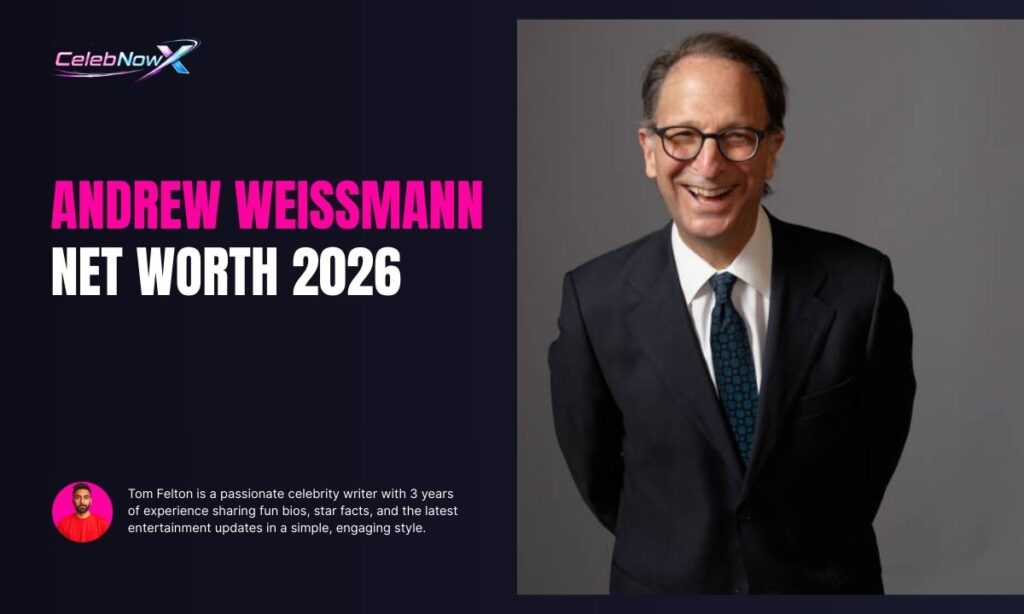
Andrew Weissmann’s net worth in 2026 reflects diverse income streams accumulated strategically. Financial estimates range from $3 million to $18 million, depending on methodologies. His wealth comes from government service, private practice, media, and writing. Understanding his finances requires examining each career phase’s compensation structures.
Weissmann prioritized public service over maximum earnings throughout most of career. Federal prosecutors earn modest salaries compared to corporate law partners. Recent diversification into media and writing boosted income beyond government scales. His financial profile demonstrates balancing service commitments with personal financial security.
Andrew Weissmann Net Worth Breakdown:
| Financial Aspect | Estimated Amount/Details |
| Total Net Worth (2026) | $3 million – $18 million |
| Primary Sources | Government salary, private practice, media, books |
| Government Earnings | $150,000 – $250,000 annually (historical) |
| Private Practice Income | $500,000 – $2,000,000+ annually (estimated) |
| Book Royalties | Significant ongoing income from bestseller |
| MSNBC Analyst Salary | $84,000 – $300,000+ annually (estimated) |
| NYU Professor Salary | $200,000 – $400,000 annually (estimated) |
| Speaking Fees | $10,000 – $50,000 per engagement (estimated) |
| Podcast Revenue | Additional income through sponsorships |
| Real Estate Holdings | Primary residence and possible investments |
| Retirement Accounts | Federal pension plus private savings |
Andrew Weissmann Salary: Earnings Across Public and Private Sectors
Weissmann’s salary history reflects movement between the government and private sectors strategically. Each career transition brought different compensation levels and financial considerations. Understanding his earnings requires examining specific positions and industry standards. His income evolved dramatically across four decades of professional work.
Salary Breakdown by Career Phase:
| Career Position | Time Period | Estimated Annual Salary |
| Assistant U.S. Attorney | 1991-2002 | $70,000 – $150,000 |
| Enron Task Force Director | 2002-2005 | $150,000 – $200,000 |
| Private Practice Partner | 2006-2011 | $500,000 – $1,500,000 |
| FBI General Counsel | 2011-2013 | $165,000 – $200,000 |
| Private Practice Return | 2013-2015 | $600,000 – $1,800,000 |
| DOJ Fraud Chief | 2015-2017 | $165,000 – $185,000 |
| Mueller Team Prosecutor | 2017-2019 | $160,000 – $180,000 |
| NYU Professor | 2019-present | $200,000 – $400,000 |
| MSNBC Legal Analyst | 2019-present | $84,000 – $300,000+ |
| Speaking Engagements | Ongoing | $10,000 – $50,000 per event |
Government Service Compensation
Federal prosecutors receive standardized salaries based on grade and experience levels. Weissmann’s senior positions placed him at higher government pay scales consistently. Benefits included pension plans and job security unavailable in private practice. Government compensation provided stability but limited earnings compared to alternatives available.
Senior federal attorneys typically earn between $150,000 and $250,000 annually. These positions offer prestige and purpose beyond monetary compensation alone. Pension benefits and health insurance add significant value to total packages. Weissmann accepted lower salaries to serve in positions matching his values.
Private Practice Earnings
Jenner & Block partnerships provided significantly higher compensation than government work. As a senior partner, Weissmann likely earned a seven-figure annual income. Private practice earnings depend on billable hours and client relationships developed. Law firm partnerships offer financial rewards unavailable in public service positions.
Elite law firm partners often earn between $500,000 and several million annually. Weissmann’s expertise in white-collar crime commanded premium rates from clients. His reputation attracted high-profile clients willing to pay substantial fees. Private practice periods substantially boosted his overall net worth accumulation.
Media and Speaking Income
MSNBC analyst contracts provide steady income for legal commentary and appearances. Television legal analysts earn varying amounts based on experience and visibility. Weissmann’s high profile likely commands above-average compensation for media work. His “Main Justice” podcast generates additional revenue through sponsorships and platforms.
Speaking engagements at conferences and universities provide supplemental income streams. Legal experts of Weissmann’s stature command fees ranging from thousands to tens of thousands. These appearances leverage his expertise while building a professional reputation continuously. Combined media and speaking income represents significant portion of current earnings.
Academic Compensation
NYU Law School professors earn competitive salaries reflecting the institution’s prestige. Distinguished positions like “Professor of Practice” typically pay between $200,000 and $400,000. Academic compensation includes benefits like research support and professional development opportunities. Teaching provides a stable income while allowing Weissmann to shape future lawyers.
Andrew Weissmann DOJ: Department of Justice Legacy
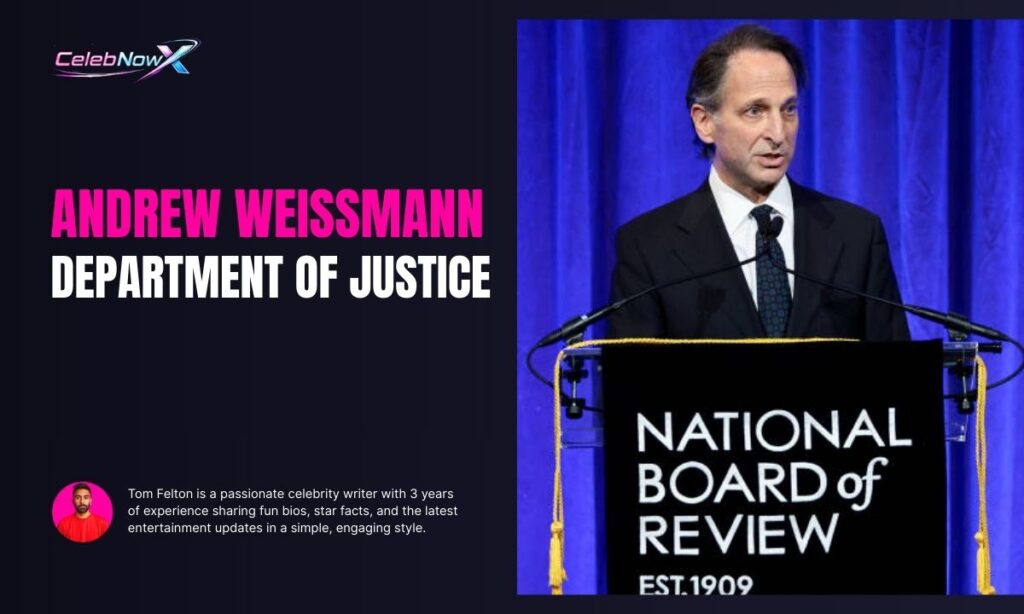
Andrew Weissmann’s relationship with the DOJ spans over two decades of service. His work shaped institutional approaches to complex fraud and corruption cases. Multiple leadership positions allowed him to influence prosecutorial strategies and priorities. His DOJ legacy includes both landmark convictions and controversial tactical decisions.
Building Institutional Knowledge
Eleven years as Assistant U.S. Attorney built a deep understanding of federal prosecution. Weissmann learned procedural intricacies and strategic approaches, defining DOJ culture. His experience informed later leadership positions and policy decisions significantly. Institutional knowledge made him an invaluable asset across multiple agencies over time.
Leadership Roles
As Criminal Fraud Section Chief, Weissmann oversaw nationwide fraud prosecutions effectively. This position required managing complex cases and coordinating interagency cooperation. His leadership established priorities for how DOJ approached corporate crime. Colleagues credit him with raising standards for fraud prosecution excellence.
Ethical Standards and Controversy
Weissmann maintained his prosecutions met DOJ ethical standards despite criticism. The Arthur Andersen Supreme Court reversal raised questions about prosecutorial discretion. Critics occasionally questioned whether aggressive tactics crossed appropriate lines. Supporters argue zealous prosecution serves justice even when tactics draw scrutiny.
Current DOJ Challenges
Weissmann continues commenting on DOJ policies through his extensive media platform. He criticizes what he perceives as department politicization and norm erosion. His commentary addresses investigations involving political figures and accountability questions. Former insider status gives his DOJ critiques particular credibility and weight.
Andrew Weissmann Today: Current Activities and Influence
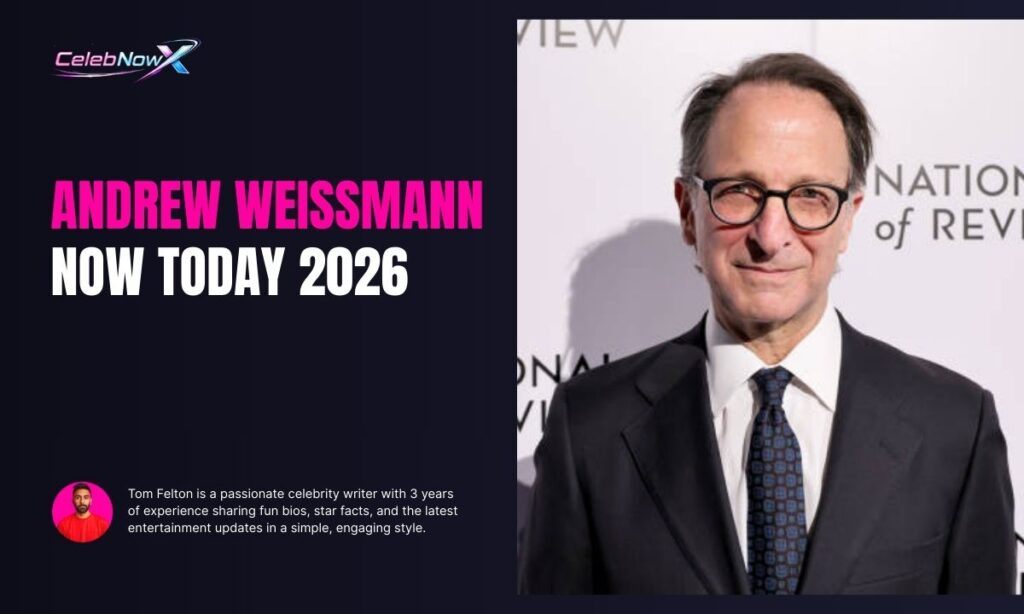
Andrew Weissmann remains exceptionally active across multiple professional platforms in 2026. His influence extends through academia, media, writing, and public speaking engagements. Current activities leverage decades of experience to shape legal discourse nationally. He shows no signs of reducing his pace or professional involvement.
Academic Career at NYU
Weissmann teaches national security law and criminal procedure at NYU School of Law. His courses bring real-world prosecutorial experience directly to aspiring attorneys. Students benefit from his insider knowledge of high-profile investigations and cases. Teaching allows him to influence the next generation of legal professionals.
He holds fellowships at the Reiss Center on Law and Security. Additional affiliation with the Center on Administration of Criminal Law enhances academic impact. These positions enable him to shape academic discourse on critical legal issues. NYU provides a platform for thought leadership beyond traditional classroom teaching alone.
Media Presence
Weissmann serves as a frequent legal analyst for MSNBC and NBC News. His commentary on major legal developments carries weight given his insider experience. Television appearances reach millions seeking expert analysis of complex legal matters. Media work keeps him prominently visible in national conversations about justice.
Writing and Commentary
Beyond his bestselling book, Weissmann writes regularly for major publications nationwide. Articles appear in The New York Times, The Atlantic, and The Washington Post. He serves on Just Security’s board and contributes frequent, detailed analysis. His Substack newsletter “Behind The Headlines” provides deeper analysis than television allows.
Recent Developments
In March 2025, Trump’s executive order targeted Jenner & Block, specifically mentioning Weissmann. The order suspended security clearances and restricted government building access for the firm. In December 2025, Weissmann departed Jenner & Block amid defamation lawsuit proceedings. He assembled a new legal team, including veteran litigator Faith Gay for defense.
Public Speaking
Weissmann continues speaking at legal conferences, universities, and public events nationwide. September 2025 announcement named him the headline speaker for the Virginia Tay Memorial Lecture. His presentations address rule of law concerns and current legal challenges. Speaking engagements allow direct engagement with audiences seeking expert perspectives.
Continued Influence
Despite leaving government service, Weissmann remains among America’s most influential legal voices. His combination of experience, academic position, media platform, and writing creates a unique influence. Commentary on Trump legal cases and DOJ policies ensures centrality to national conversations. His influence on legal discourse and public understanding remains substantial and ongoing.
Conclusion
Andrew Weissmann career represents a remarkable dedication to the American legal system and justice. His net worth reflects choices prioritizing public service over maximum financial gain. From Mafia prosecutions to the Mueller investigation, his impact proves undeniable and lasting. At 67, he continues shaping legal discourse through multiple influential platforms.
His prosecutorial record includes landmark victories alongside controversial tactical decisions. The Mueller investigation cemented his place in American political and legal history. His book provided crucial transparency about the investigation’s internal operations and limitations. Whether viewed as a dedicated public servant or aggressive prosecutor, his influence remains undeniable.
Frequently Asked Questions
What is Andrew Weissmann doing now in 2026?
Andrew Weissmann currently serves as Professor of Practice at NYU School of Law. He also works as an MSNBC legal analyst and co-hosts the podcast “Main Justice” with Mary McCord.
How much is Andrew Weissmann worth?
Andrew Weissmann’s net worth is estimated between $3 million and $18 million in 2026. His wealth comes from government service, private law practice, book royalties, and media work.
Is Andrew Weissmann still married?
Yes, Andrew Weissmann remains married to Debra Weissmann, a distinguished law professor at UNC School of Law. They have one son named Benjamin who is also an attorney.
What role did Andrew Weissmann play in the Mueller investigation?
Andrew Weissmann served as senior prosecutor and led the team investigating Paul Manafort. He was considered the architect of the case against Trump’s former campaign chairman.
What book did Andrew Weissmann write?
Andrew Weissmann wrote “Where Law Ends: Inside the Mueller Investigation” published in September 2020. The book became a New York Times bestseller offering insider perspectives.
Where did Andrew Weissmann go to law school?
Andrew Weissmann attended Columbia Law School where he earned his Juris Doctor in 1984. He also served on the managing board of the Columbia Law Review.
Did Andrew Weissmann prosecute the Enron case?
Yes, Andrew Weissmann served as Director of the FBI Enron Task Force from 2002 to 2005. His team successfully prosecuted over 30 individuals including top Enron executives.
What is Andrew Weissmann salary at NYU?
As a Professor of Practice at NYU School of Law, Andrew Weissmann likely earns between $200,000 and $400,000 annually. Exact compensation details are not publicly disclosed by the university.
How old is Andrew Weissmann?
Andrew Weissmann was born on March 17, 1958, making him 67 years old in 2026. He has maintained an active career spanning more than four decades.
Why did Andrew Weissmann leave Jenner & Block?
Andrew Weissmann departed Jenner & Block in December 2025 amid a defamation lawsuit filed by Stefan Passantino. He assembled a new legal defense team to handle the case.

Tom Felton is an entertainment writer with 3 years of experience covering celebrity biographies, net worth, age, and trending star stories. His content is clear, engaging, and made for curious readers.